
Case Study 05
Serendib Traveler
Designing Travel Experiences That Flow Naturally


Client
Serendib Travelers
Type
Website Design / UX & UI Design
Industry
Travel & Tourism
Role
Lead UI/UX Designer | UX Strategist | Interaction Designer | Frontend Collaboration | Visual Designer
Introduction
Serendib Travelers is a modern, fully responsive travel website built to make trip planning effortless, enjoyable, and inspiring. In this project, I worked as a UI/UX Designer, translating complex travel information into a clean, intuitive digital experience. I focused on designing smooth user journeys that guide travelers from discovering destinations and comparing packages to completing bookings with minimal friction. By combining visually engaging layouts, interactive elements, and thoughtful content organization, I ensured the platform feels inviting and easy to navigate. Every design decision—from menu structures to imagery placement—was crafted to enhance usability, maintain consistency across devices, and encourage exploration, making the process of planning a trip as seamless as possible.
Technologies

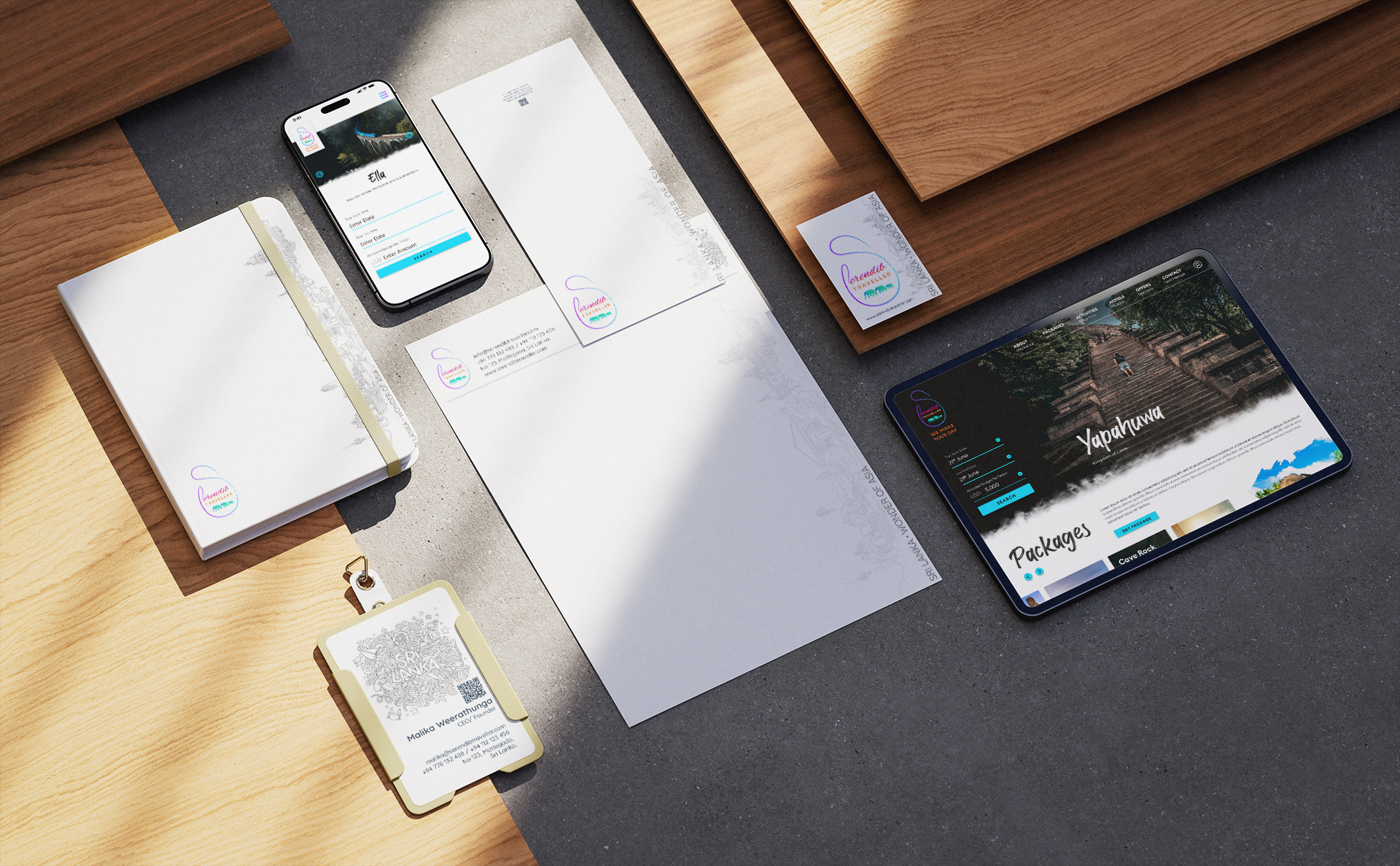
Project Overview
The goal of Serendib Travelers was to provide a platform that balances functionality and inspiration, helping users plan, compare, and book travel experiences with ease. My role encompassed UX research, UI design, and interaction design, ensuring that every step—from discovering destinations to completing bookings—was seamless and engaging.
I started by analyzing traveler behaviors, pain points, and preferences to inform the site’s architecture and flows. Intuitive navigation, clear calls-to-action, and a structured information hierarchy reduce decision fatigue, while personalized recommendations and curated content help users find options tailored to their interests. High-quality imagery, interactive elements, and responsive layouts ensure the experience feels immersive on desktop, tablet, and mobile.
I applied modern UX principles such as user-centered design, minimal cognitive load, and visual hierarchy, while using design trends like dynamic imagery, engaging micro-interactions, and mobile-first layouts to keep the platform competitive. The result is a travel website that not only looks appealing but also boosts engagement, simplifies planning, and makes the journey from exploration to booking truly enjoyable.
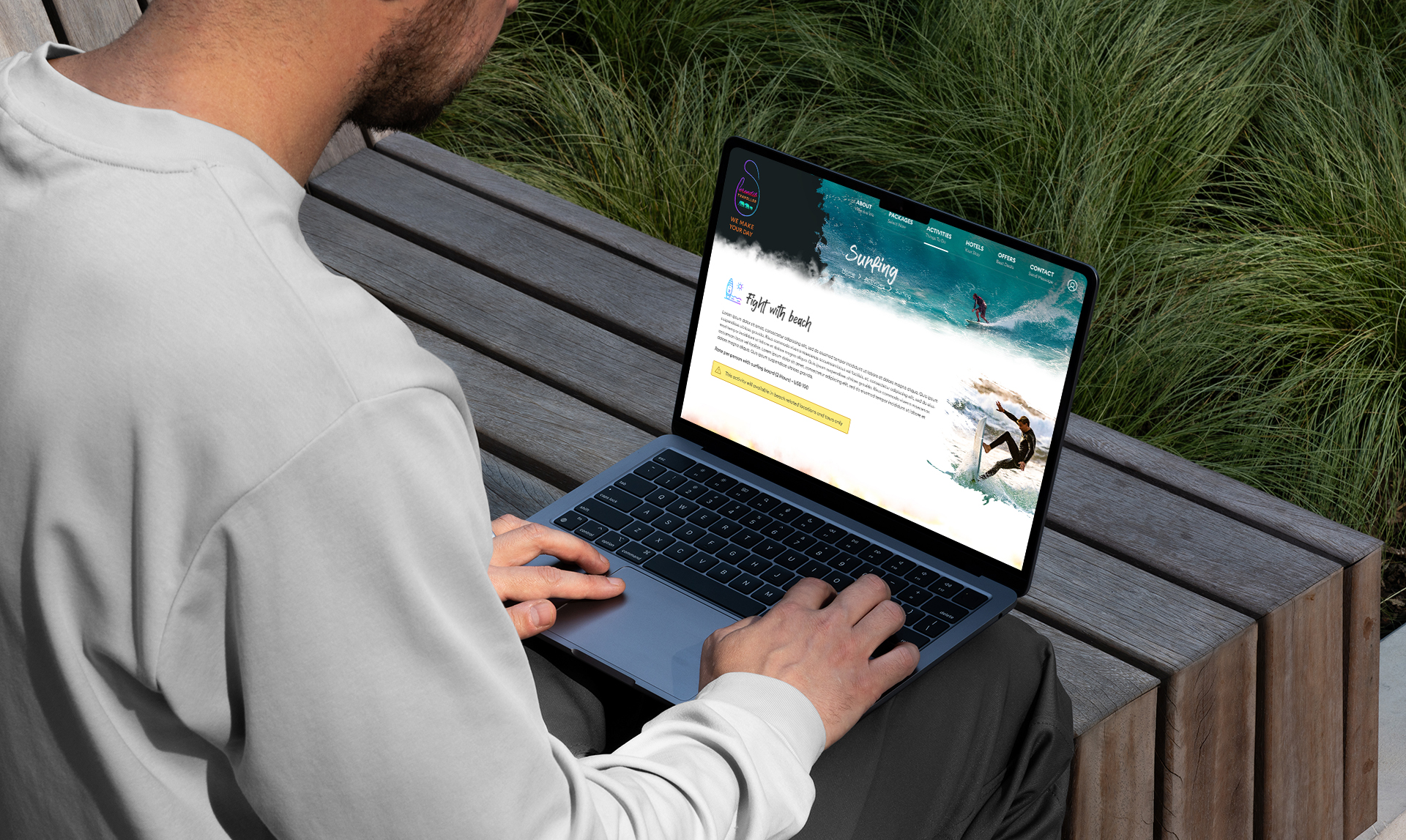
User Research & Pain Points
Users faced several challenges that hindered a smooth travel planning experience. Navigating multiple travel options and packages was often confusing, making it difficult for users to compare alternatives and make informed choices. The booking process itself was cumbersome, leading to frustration and a higher likelihood of abandoned carts. Additionally, the platform lacked personalized recommendations, preventing users from quickly discovering destinations and packages aligned with their preferences. Information about destinations was often overwhelming, with no clear hierarchy to guide exploration, making it hard for travelers to prioritize options or plan efficiently. These challenges highlighted the need for a user-centered design solution that simplifies navigation, streamlines booking flows, organizes content effectively, and delivers tailored recommendations to create a seamless, engaging, and enjoyable travel planning experience.
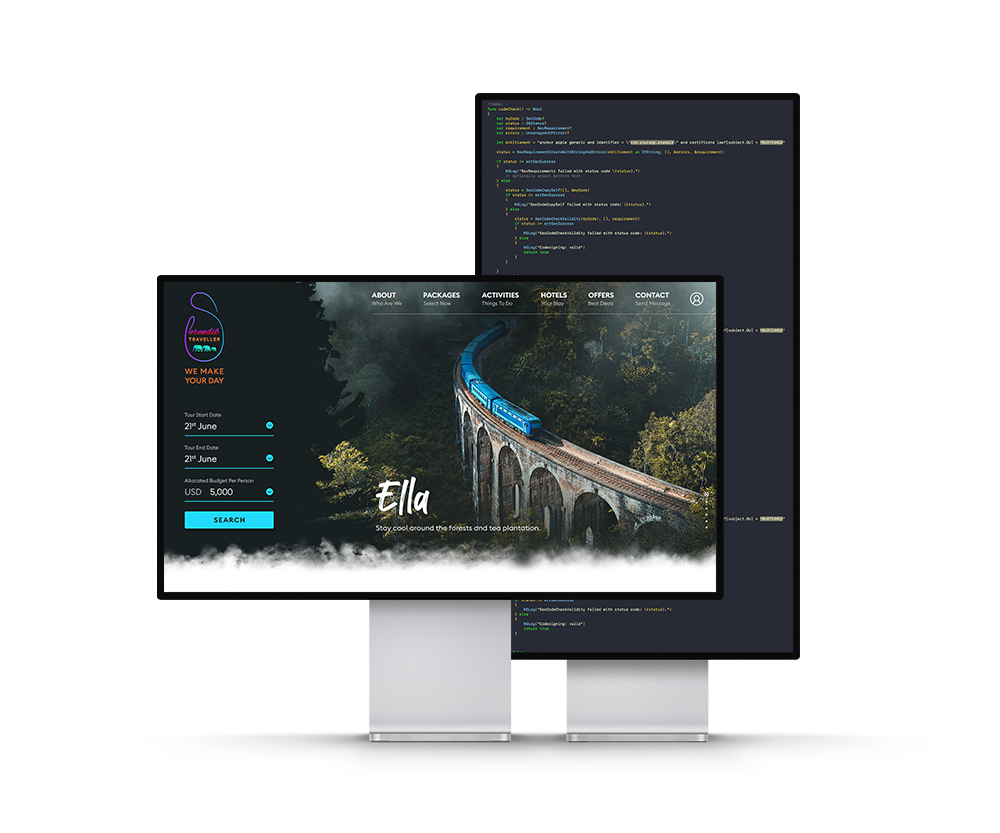
Key Solutions Implemented for Identified Problems
| Problem | Solution Implemented | Impact / Results | KPIs |
|---|---|---|---|
| Difficulty navigating multiple travel options | Intuitive, structured navigation with clear categories and filters | Users can find destinations and packages easily | 25% increase in session duration |
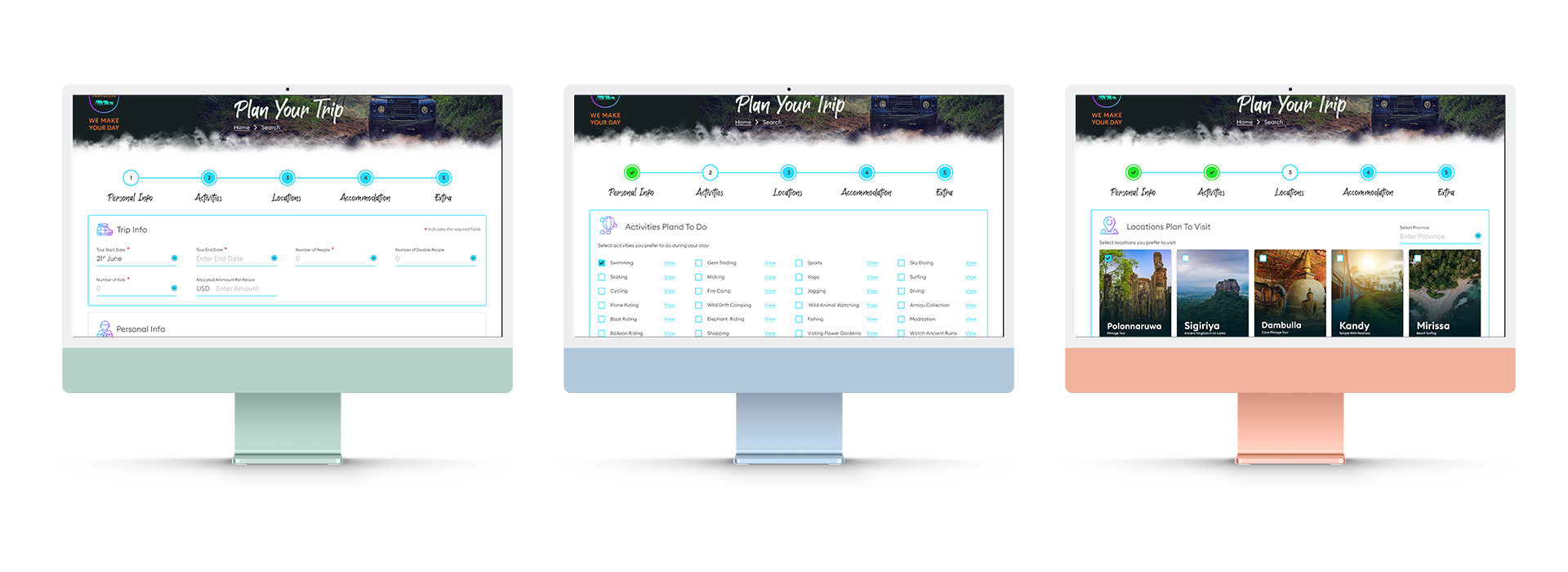
| Confusing booking process | Streamlined multi-step booking flow with progress indicators | Reduced booking drop-offs and abandoned carts | 30% increase in completed bookings |
| Lack of personalized recommendations | Personalized destination suggestions based on user behavior and preferences | Higher engagement and exploration of relevant packages | 20% increase in package views per user |
| Overwhelming destination information | Organized content hierarchy with expandable sections and visuals | Faster decision-making and improved comprehension | 15% reduction in bounce rate |
| Poor mobile experience | Fully responsive design optimized for mobile devices | Improved mobile usability and engagement | 40% increase in mobile traffic retention |
| Slow access to key travel details | Quick-access info panels for pricing, availability, and reviews | Faster information retrieval and decision-making | 35% faster booking completion |
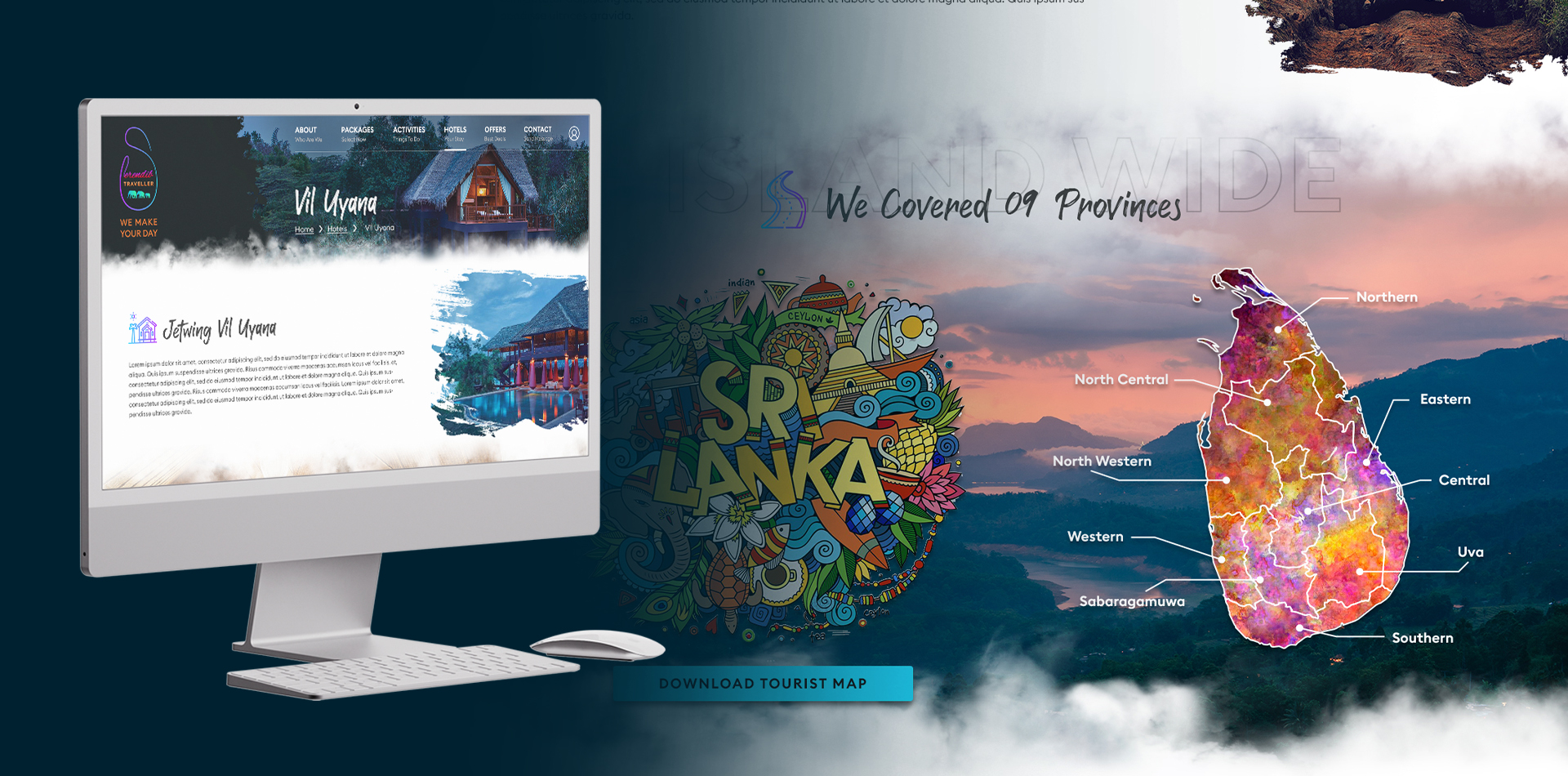
Technical Implementation
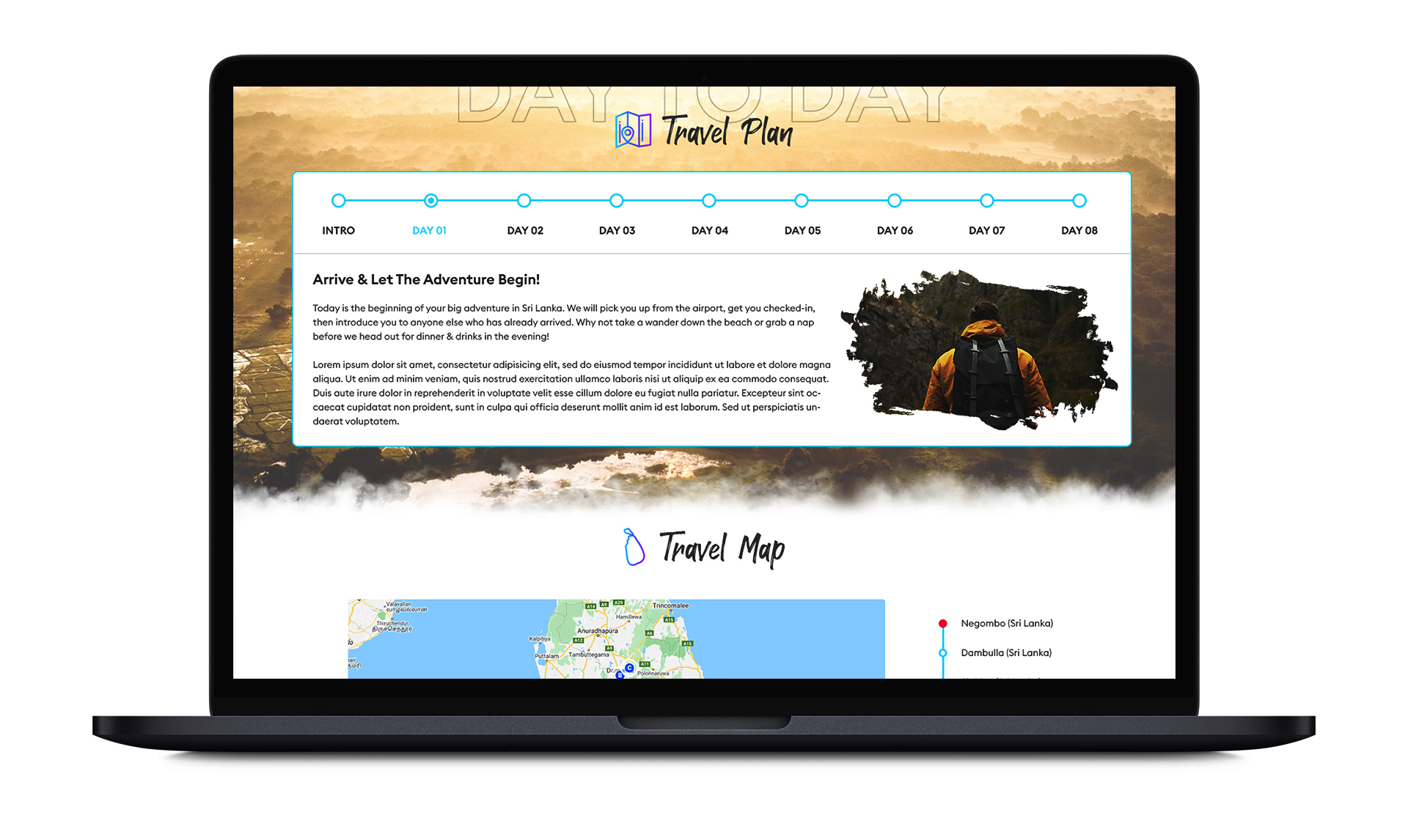
The Serendib Travelers website was developed using a responsive design approach, ensuring seamless performance and consistent experience across desktop, tablet, and mobile devices. Wireframes, prototypes, and a unified design system were created in Figma to maintain visual consistency and streamline the development process. UI elements were carefully optimized for clarity, accessibility, and visual appeal, while interaction design emphasized intuitive navigation, micro-interactions, and real-time feedback during the booking process to enhance user confidence. Close collaboration with developers ensured smooth integration of booking APIs, personalized recommendation engines, and content management systems, while optimizing page load times and overall performance. The combination of user-centered design, structured visual hierarchy, and interactive feedback created a platform that allows travelers to explore destinations effortlessly, compare packages efficiently, and complete bookings with minimal friction. This approach resulted in a responsive, engaging, and highly usable travel website that supports exploration, decision-making, and conversion.
Results & Key Metrics
| Metric | Impact |
|---|---|
| Booking Completion Rate | 30% increase in completed bookings |
| User Engagement | 25% increase in session duration |
| Package Views | 20% increase in exploration of relevant travel packages |
| Mobile Retention | 40% increase in mobile traffic retention |
| Bounce Rate | 15% reduction in bounce rate due to better information hierarchy |
| Booking Speed | 35% faster booking completion time |
The Serendib Travelers website delivered measurable improvements in user engagement and conversions. Booking completion rates increased by 30%, while average session duration grew by 25%, reflecting stronger user engagement and interest. Exploration of travel packages rose by 20%, indicating that users were navigating the site more effectively and discovering relevant options. Mobile retention saw a 40% boost, driven by the fully responsive design and optimized mobile experience. The bounce rate decreased by 15%, while booking completion became 35% faster thanks to the streamlined booking flow, clear information hierarchy, and quick-access panels. These results demonstrate how thoughtful UI/UX design, responsive layouts, and intuitive interactions can significantly enhance user satisfaction, encourage exploration, and drive higher conversion rates for travel platforms.
“Hasaruwan designed a website that truly elevates the travel experience for our users. The interface is clean, intuitive, and engaging, while the booking process has become seamless and efficient. His attention to UX details and visual storytelling has significantly increased user engagement and conversions.”

Founder & CEO — Serendib Travelers
Conclusion & Key Takeaways
This project highlighted the critical role of user-centered design in creating engaging and effective digital experiences. By conducting structured UX research to understand traveler behaviors and pain points, I was able to inform a design strategy that balanced clarity, usability, and visual appeal. The platform’s intuitive information hierarchy, clear navigation, and streamlined booking flows reduced friction and simplified complex decision-making tasks, while interactive elements and visual cues enhanced engagement throughout the user journey. Close attention to responsive design ensured a consistent and seamless experience across devices, further improving accessibility and retention. The resulting website not only increased exploration, engagement, and booking completion rates but also reinforced the importance of designing with the user at the center. The key takeaway from this project is that thoughtful UI/UX design can transform complex processes into enjoyable, efficient experiences that delight users while driving measurable business outcomes.