Time Sheet
Streamlined Time Tracking for Maximum Productivity


Client
PureCS
Type
Web App. Dashboard
Industry
Technology, Resource Management
Role
UX Researcher | Front-end Consultant | Visual Designer
Introduction
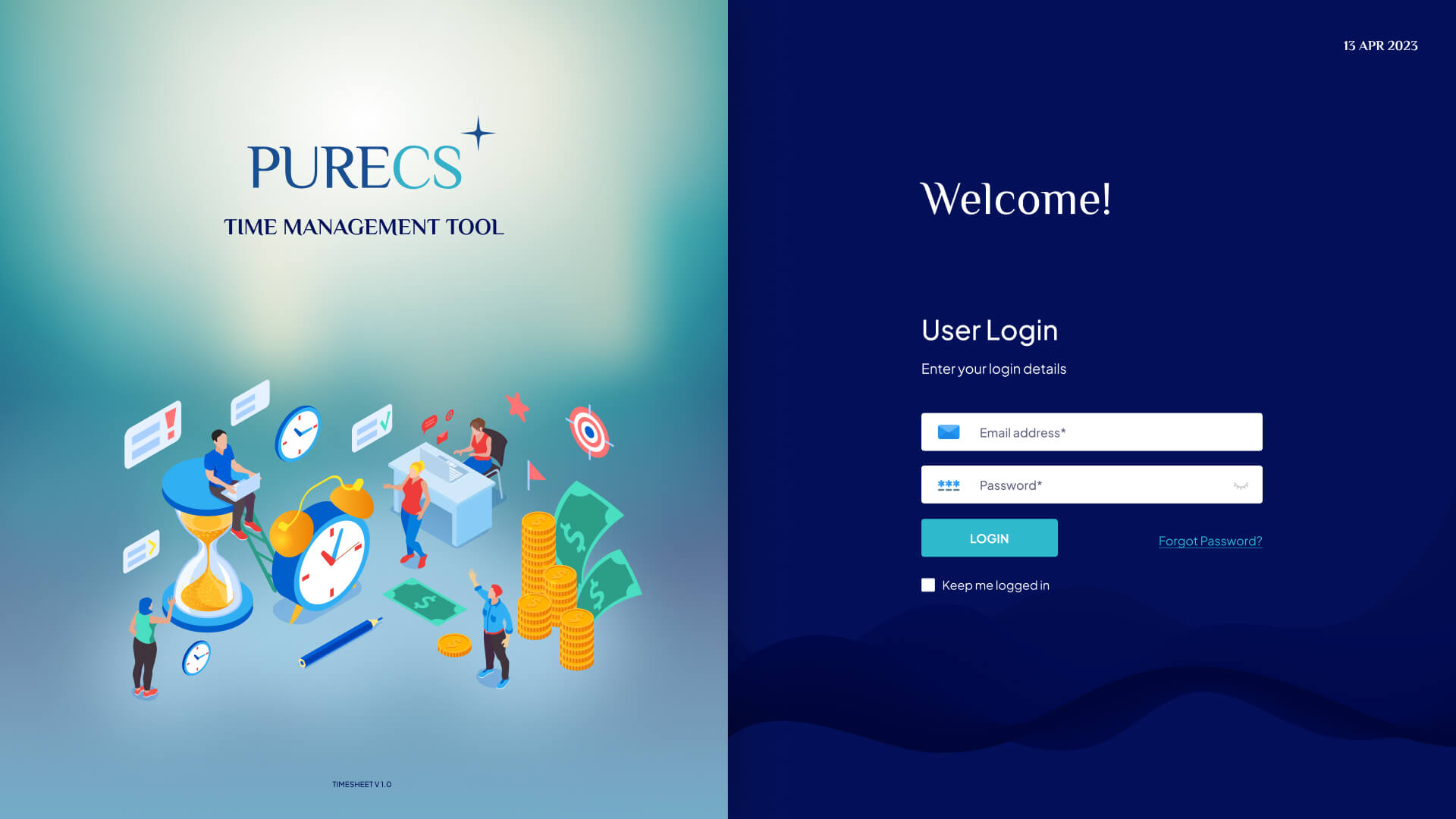
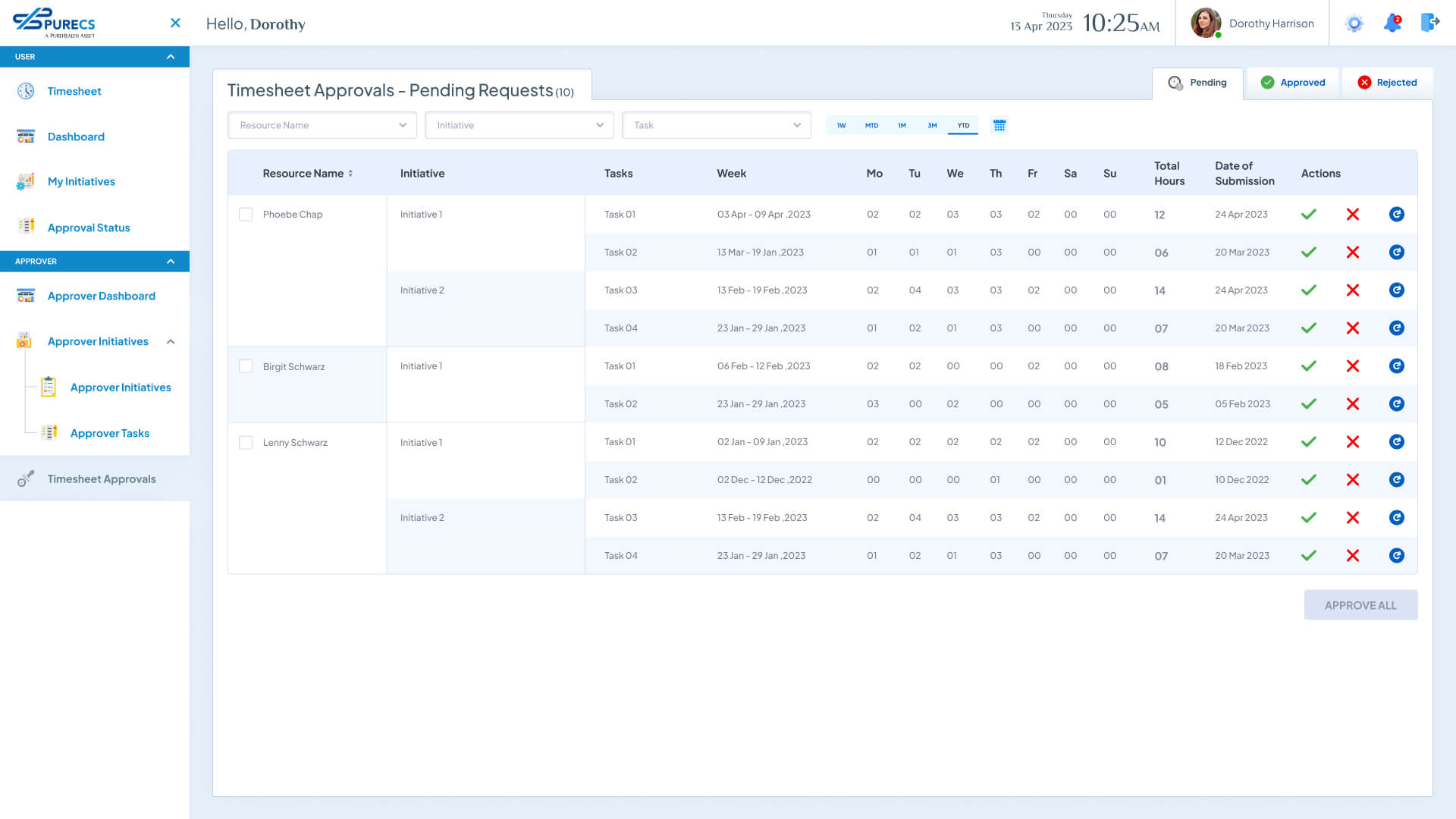
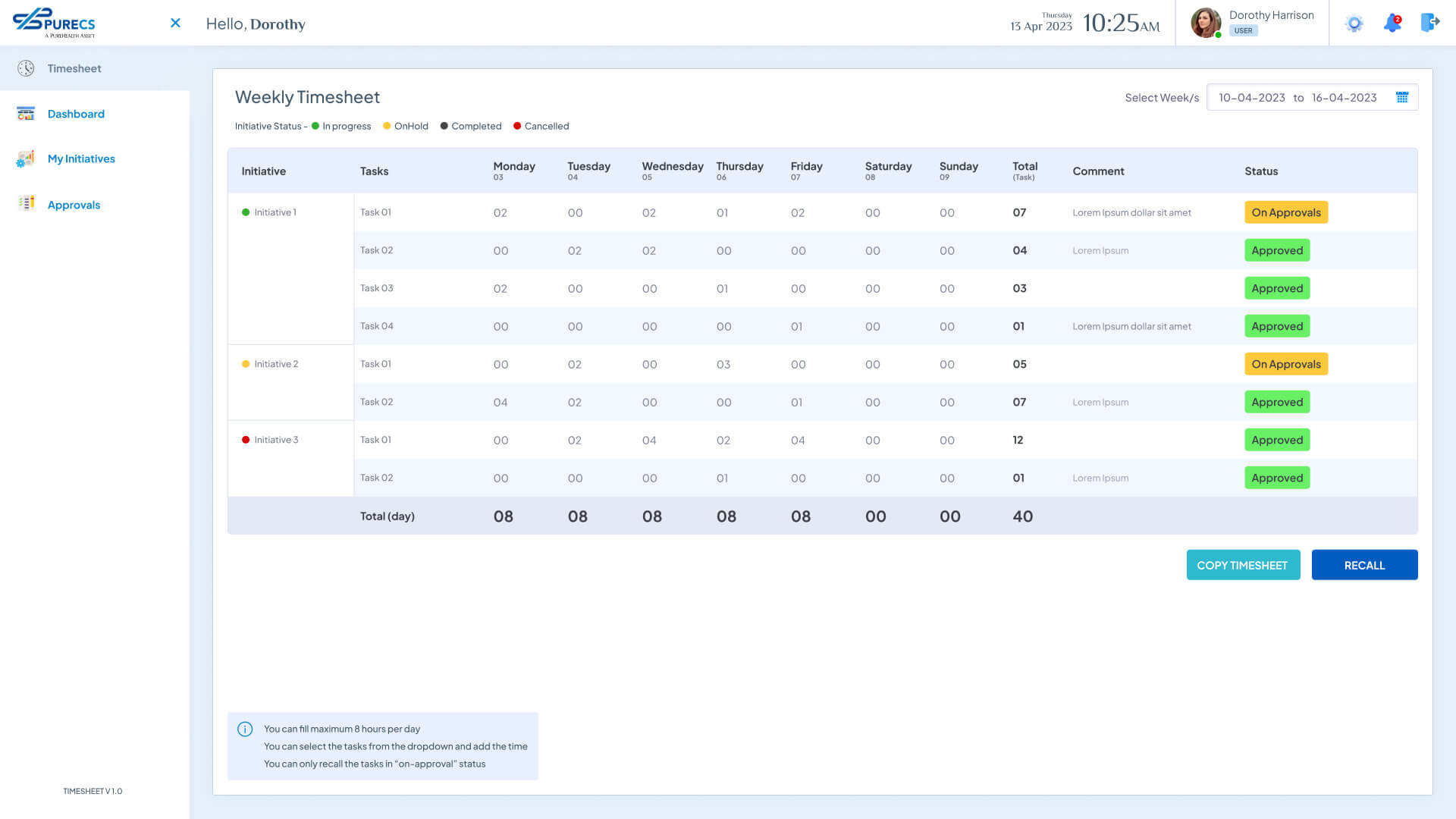
The Time Sheet project is a thoughtfully designed UI/UX solution created to improve the way individuals and teams track, manage, and understand their working hours. Time tracking is often treated as a secondary task, yet it plays a critical role in productivity, billing accuracy, and resource planning. This project focuses on transforming that routine process into something clear, reliable, and easy to engage with on a daily basis.
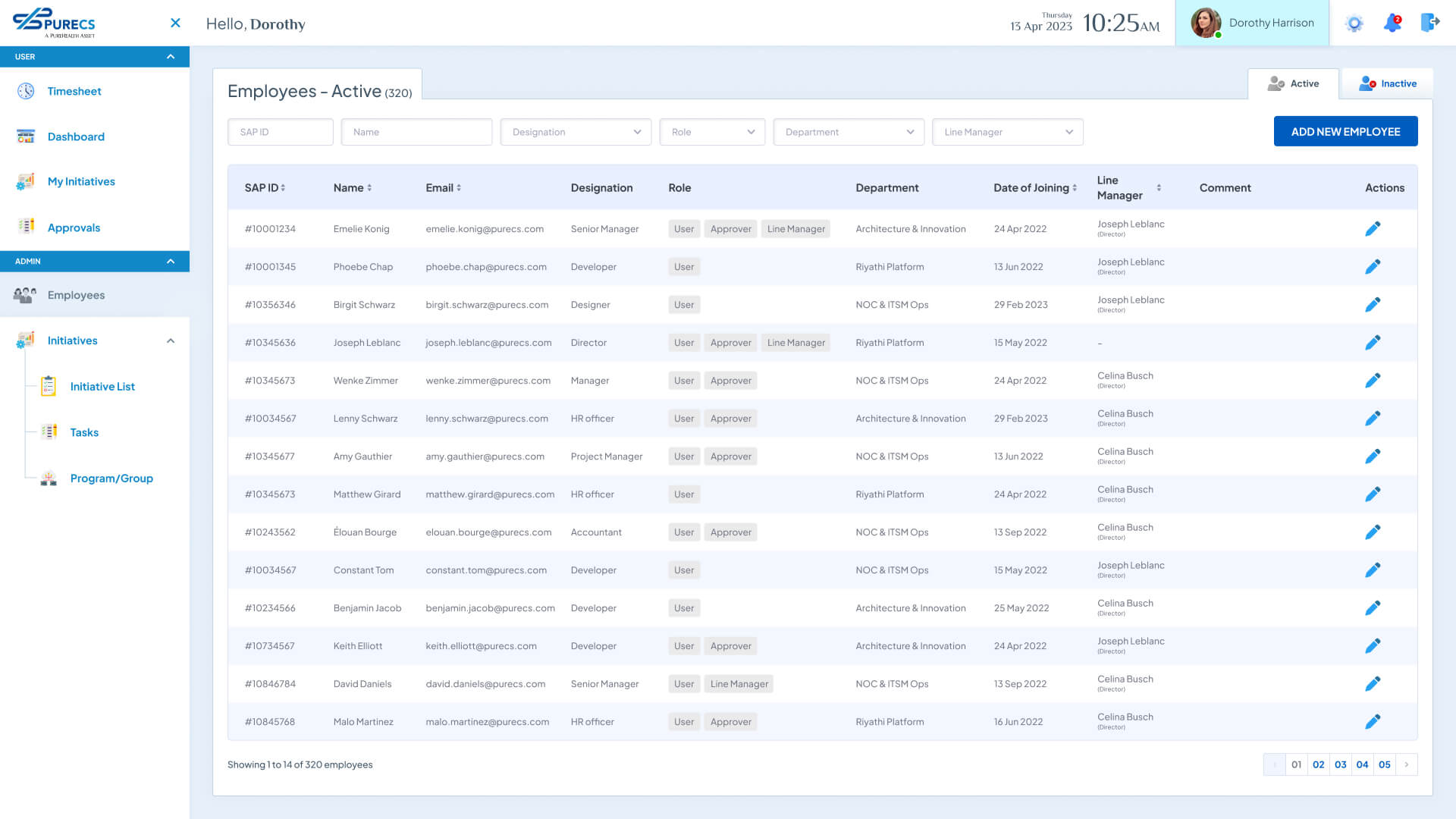
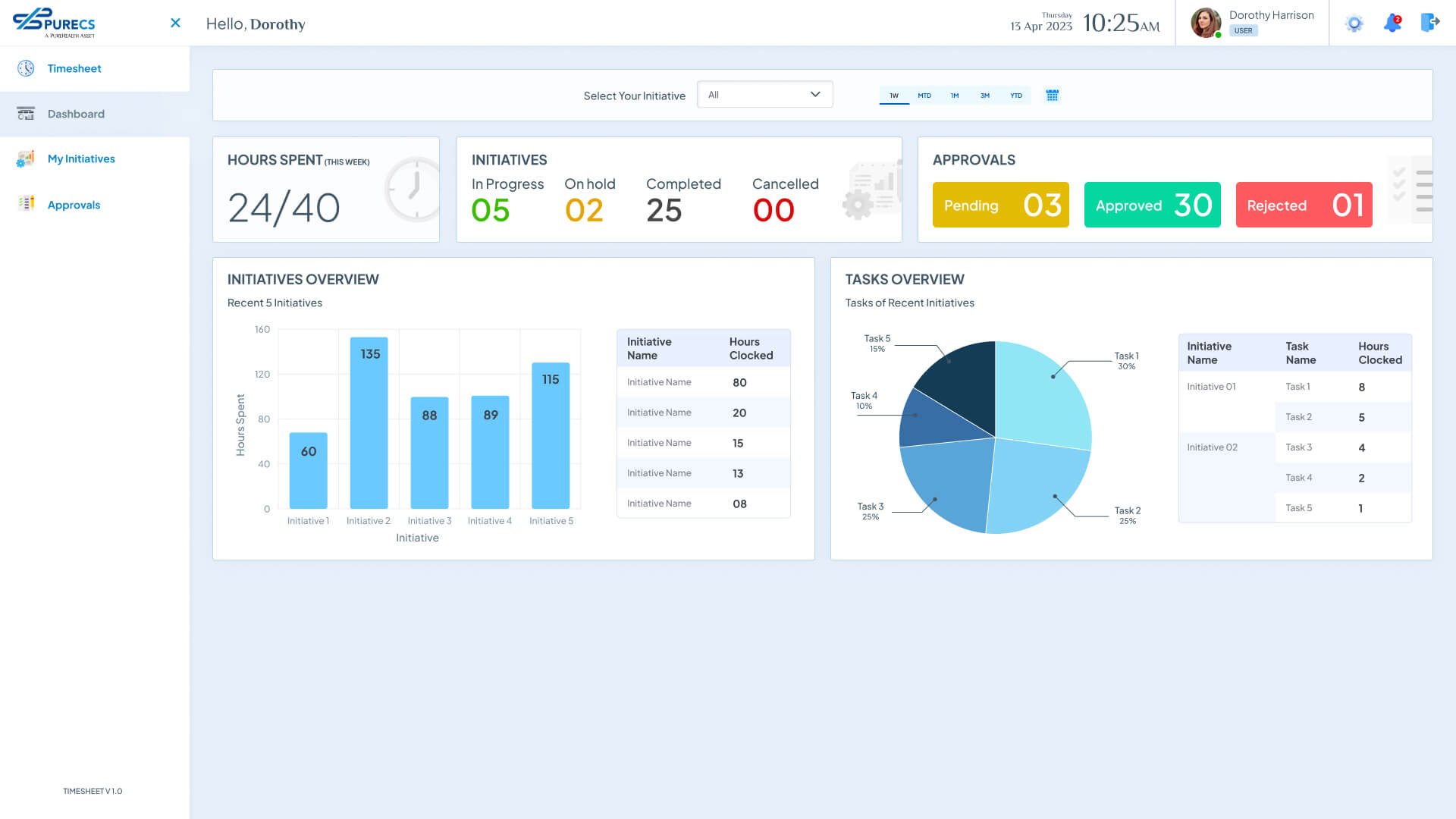
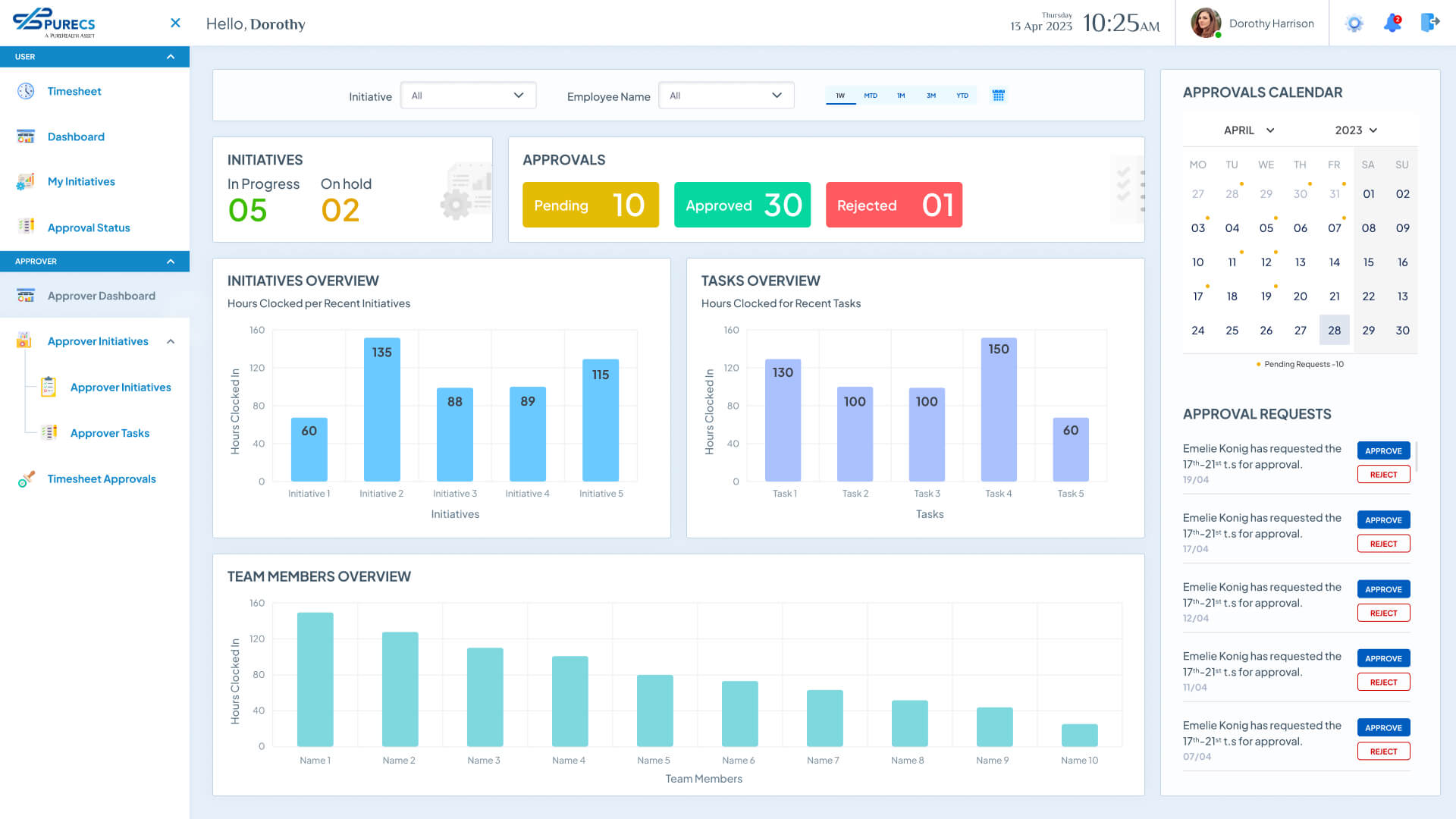
I worked as a UI/UX Designer, shaping the overall product experience from the ground up. My responsibility was to ensure that every interaction—from clocking in to reviewing logged hours—felt natural and effortless. The interface was designed to support multiple work styles, whether a freelancer tracking personal tasks or a team managing time across several projects.
This solution was designed as a responsive digital product, optimized for both desktop and mobile use. The goal was to create a system that feels lightweight yet powerful, helping users stay organized, reduce friction in time management, and maintain focus on meaningful work rather than administrative overhead.
Technologies

Project Description
The primary objective of this project was to solve common time-tracking challenges such as inconsistent entries, manual errors, and overly complex systems that slow users down. The client needed a solution that was flexible enough for team-based projects while remaining simple for individual users. My role involved end-to-end UX and UI design, from defining user flows to crafting a clean, functional interface.
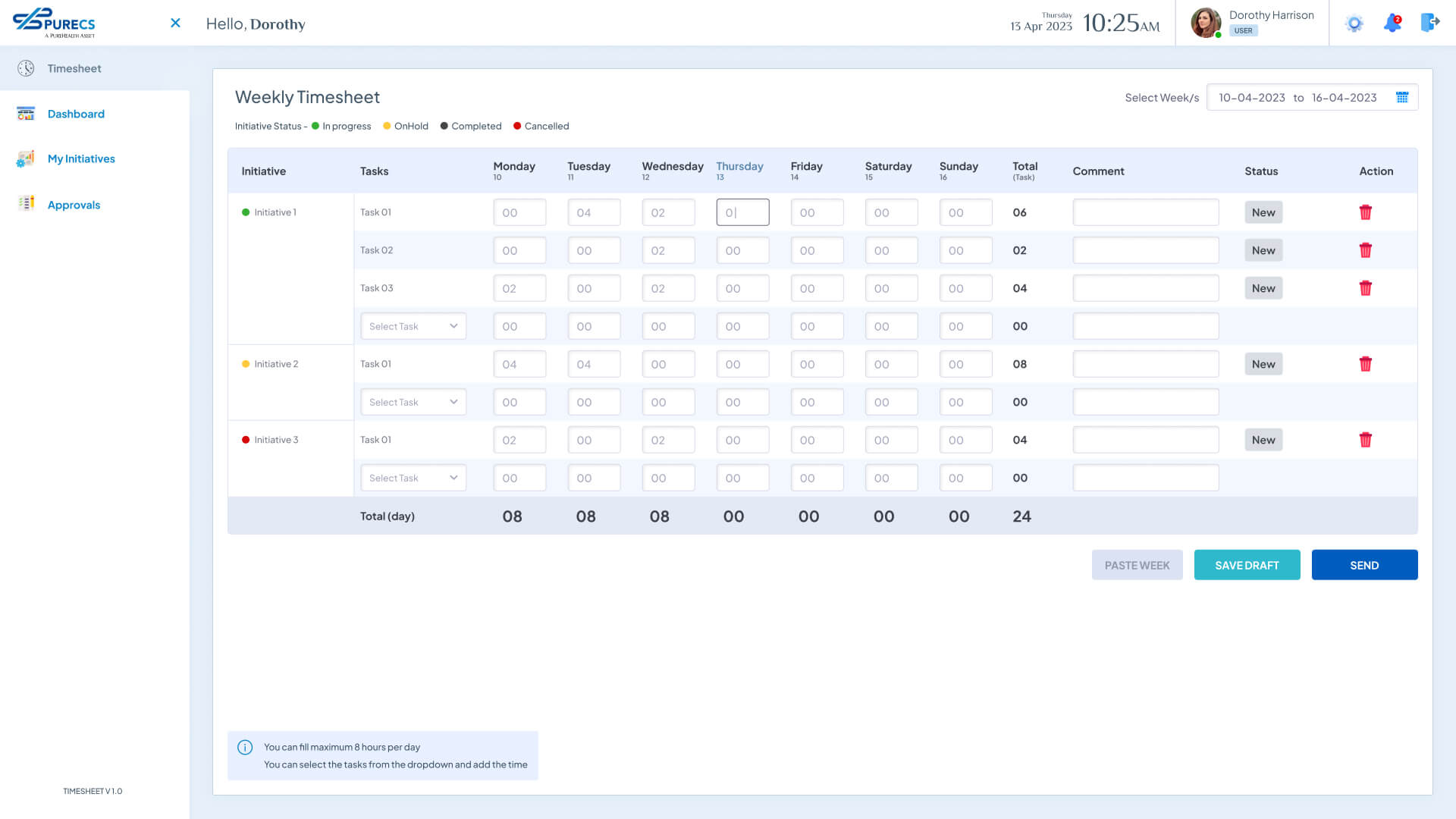
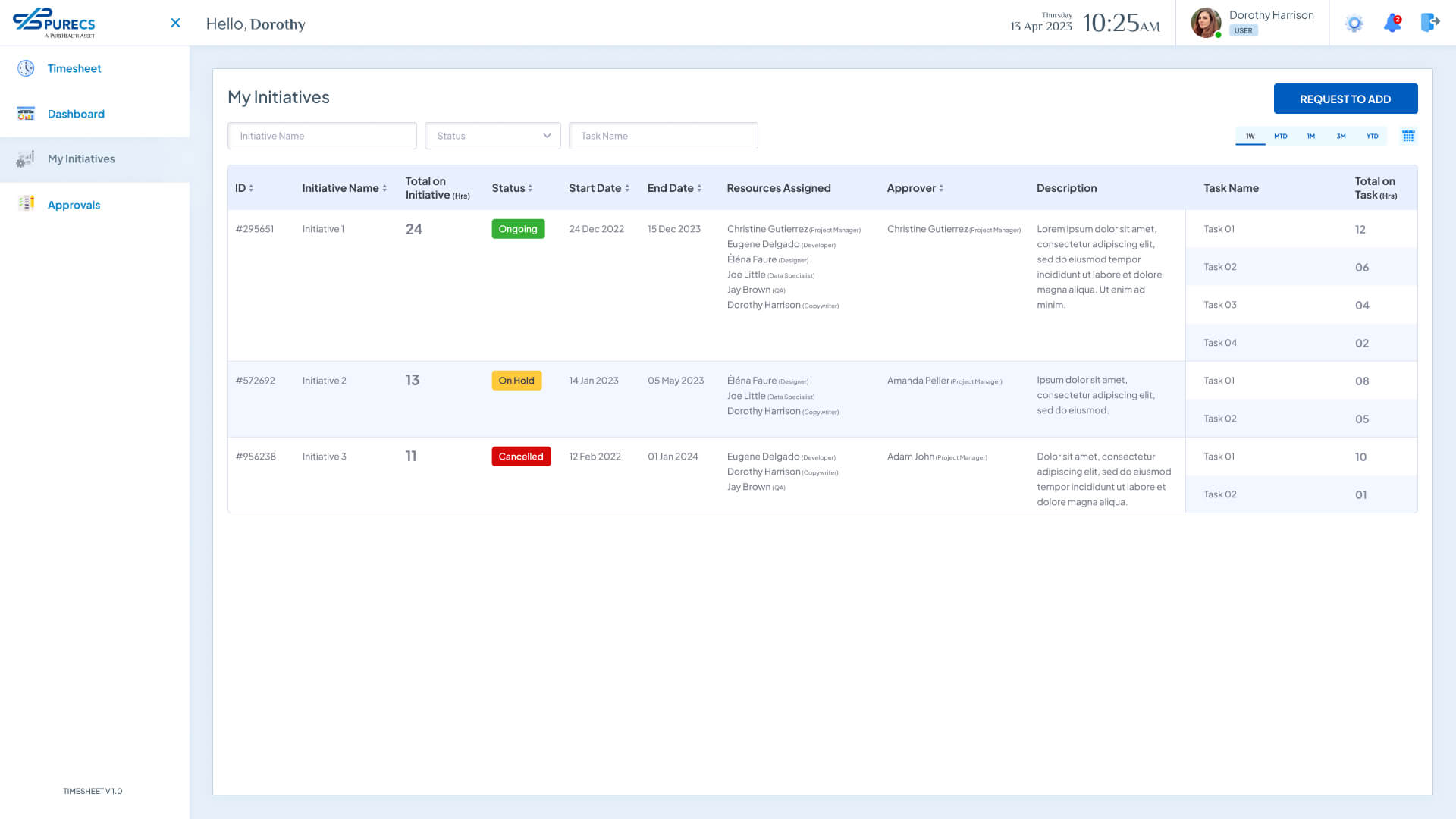
I started by mapping core user journeys—clocking in and out, editing logged hours, reviewing totals, and exporting reports. UX methods such as task flow optimization, progressive disclosure, and clear visual hierarchy were applied to minimize cognitive load and reduce interaction time. The interface prioritizes clarity through structured layouts, readable typography, and purposeful spacing.
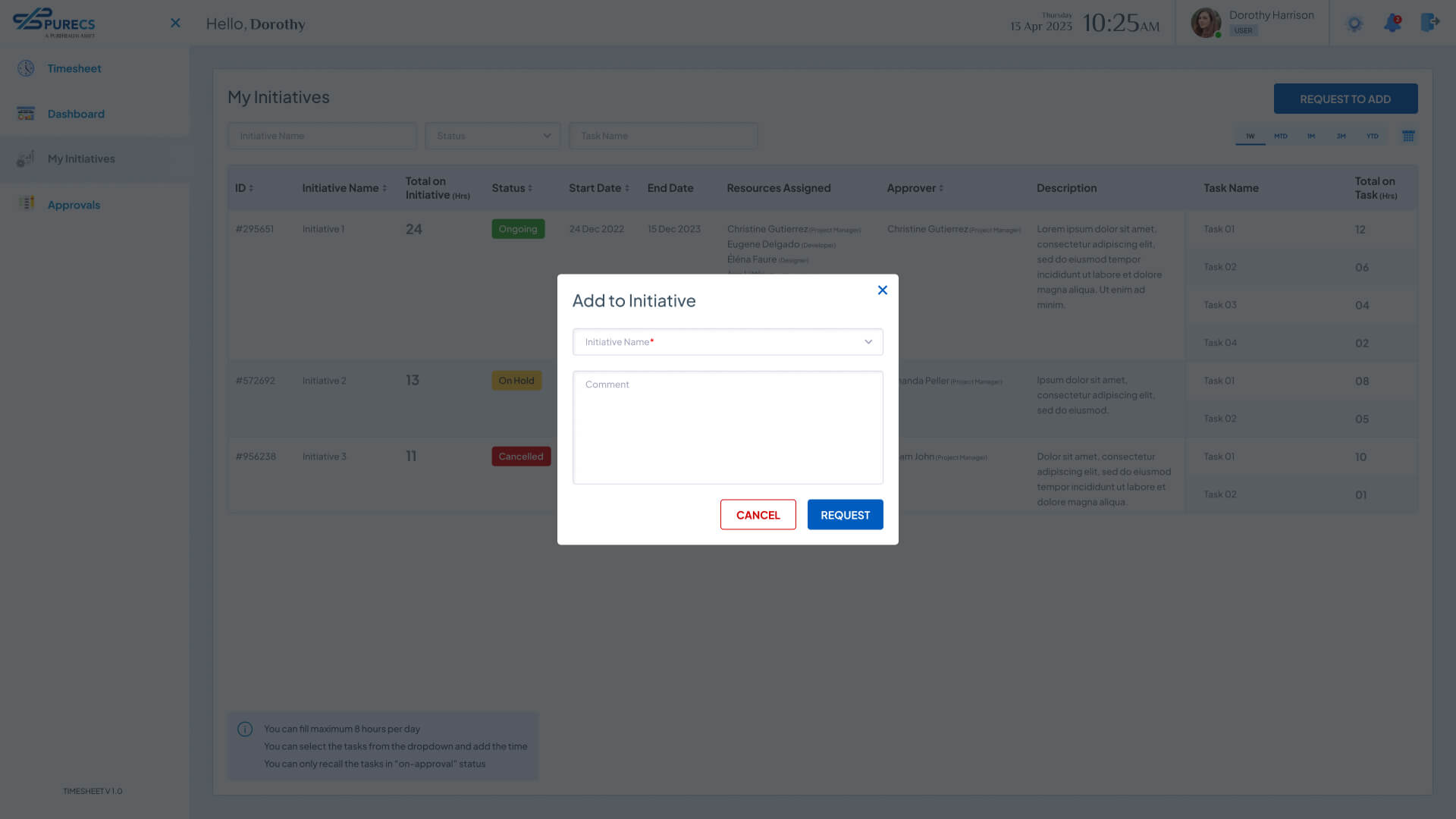
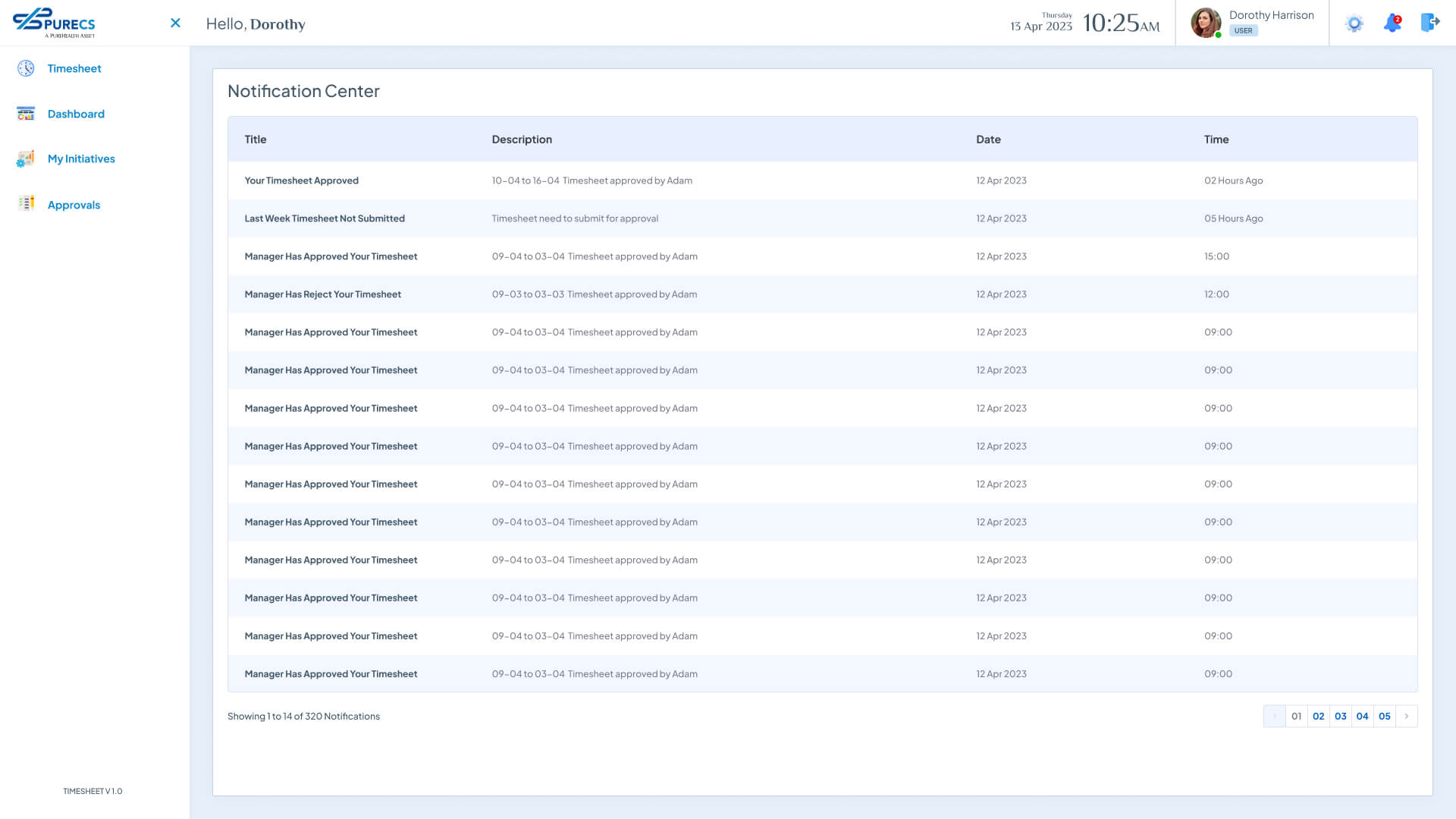
From a UI perspective, the design follows modern SaaS principles, balancing functionality with visual simplicity. Responsive layouts ensure consistent usability across desktop and mobile devices, while subtle feedback states reinforce user actions without distraction. What differentiates this project is its focus on removing unnecessary complexity—transforming time tracking from a tedious task into a smooth, dependable, and user-friendly experience.